Showing posts with label freezer disposal. Show all posts

Where Do Appliances Go When They Die?


What Happens After You Toss Those Old Appliances?
With the pace of life and priorities, it’s hard to be concerned with where your avocado green refrigerator has been carted off to.  For many, as long as the new appliance works and there is no longer interference with the course of your day, who cares?
It all comes down to how you disposed of your junk appliance.  If you had it properly disassembled and disposed of, chances are high that you are not causing any severe risk to the environment.  There is also the good possibility that it was restored and is now bringing value to someone else’s life.  You should know what happens after you chuck an appliance just to be sure that you aren’t causing risks to human health or the environment.
Resale
Often, appliances that are in good working condition are restored and resold.  This could be through resale shops, appliance repair stores or individual peddlers.  There are two major downsides to this though.  First off, older appliances are electricity guzzlers and should be “put down” properly in order to conserve energy.  Also, if your appliance is sold overseas, the chances that it will eventually be disposed of properly to protect others and the environment from harm are extremely low.
Donation
Working appliances CAN be donated to domestic programs that help disadvantaged people.  They can either use the refurbished item itself or your appliance might yield healthy parts for other models that will go to several different families.  Habitat ReStores, The Salvation Army, St. Vincent de Paul and the American Council of the Blindrun programs like these.  A quick internet search should also find any community projects, churches or companies near you that participate in appliance donation programs.
Recycling
Appliance recycling usually consists of removing hazardous materials/refrigerants and then systematically shredding the gutted appliance.  You can actually recycle most of the parts in your refrigerator or freezer.  Glass shelves, the metal cabinet and the plastic liner are all recyclables.  You should be hiring a professional or find a program that properly removes and recycles the refrigerant, oil in the compressor and the blowing agent secured in foam insulation.
By simply tossing the appliance or having someone dispose improperly of the appliance, metals are usually separated and recycled but the glass, plastic and hazardous foam are chucked into a landfill.  Since there are no requirements for how to dispose of the foam, the blowing agent is released during the shredding process and contributes it’s hazardous effect on the ozone and global climate.
Check with your village or town hall to see what appliance recycling programs are available or contact Earth911.  These programs will help contain and properly dispose and/or recycle those hazardous materials and foam agents.
Landfills
When you bypass those other options and put your appliance straight into trash, you increase the risk of contamination.  Some landfills will simply leave the appliance intact and not remove any hazardous materials, which allows the possibility for it to leak into soil and groundwater.  Many landfills will have a technician remove hazards such as oil and refrigerant but will leave the foam intact.  Once the appliance is shredded, the harmful blowing agent is then released.  To be completely safe, you should always try to recycle or donate your junk appliances.
Always ask how a program or company is disposing of your appliance.  If you ever suspect an individual or company is not disposing of appliances in the correct way or may be doing something illegally, file an anonymous complaint with the EPA.
ARE THERE ANY OTHER PLACES TO DONATE APPLIANCES OR THINGS YOU CAN DO WITH THEM?  LET ME KNOW IN THE COMMENTS BELOW!
Share:

How Do I Dispose Of My Old Fridge?


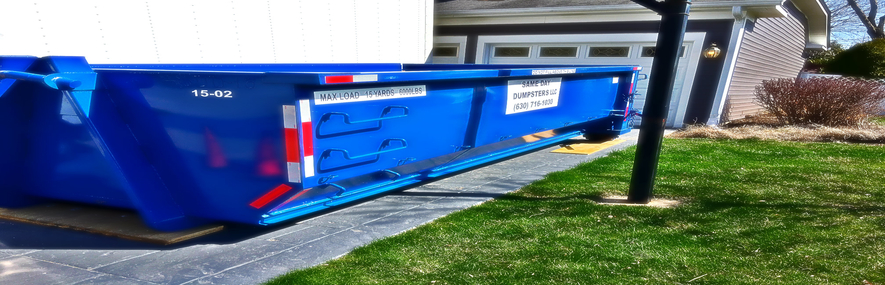
One of the biggest questions we get here at Same Day Dumpsters is why refrigerators, air conditioners and freezers can’t be tossed into dumpsters.  The short answer is that they are extremely hazardous to the environment and need to be disposed of safely.
Why Are These Appliances Considered Harmful To The Environment?
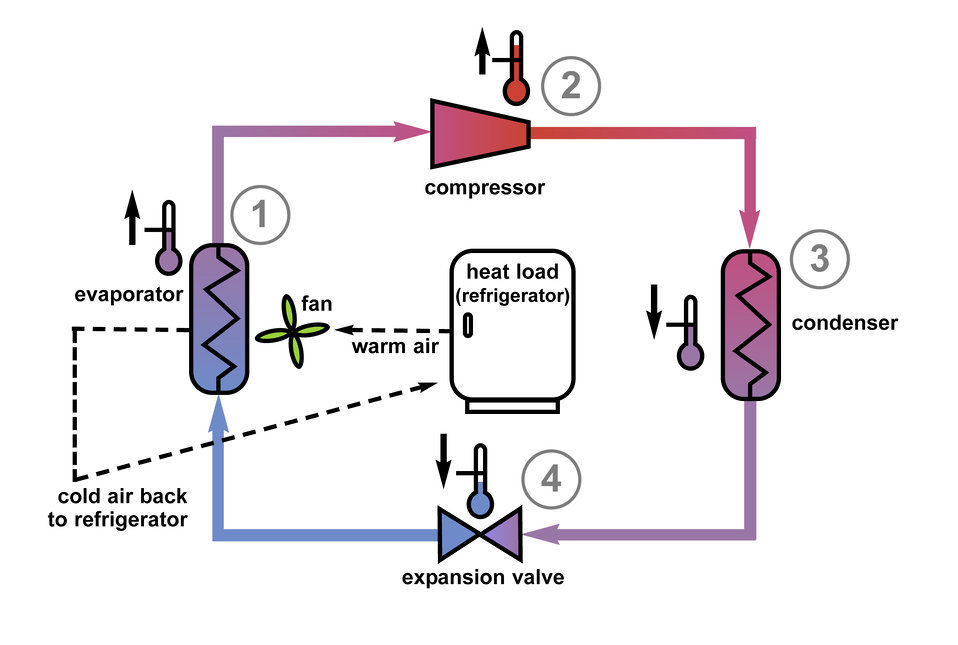
Fridges and freezers made before 1995 contain chlorofluorocarbon, or CFC, refrigerant and air conditioning units made before 2010 contain hydrochlorofluorocarbon, or HCFC, refrigerant.  A refrigerant is a substance used to cause cooling.  In most cases, this substance starts as a liquid, is turned into a gas through the heating pump and then a fan, or cooling system, takes that vapor and condenses it back into a liquid again.  This is called the refrigeration cycle.
While this cycle may come in handy when keeping those freeze pops solid, it’s not so great on our environment and mother nature.  CFC’s and HCFC’s are ozone-depleting substances and greenhouse gases that destroy the ozone layer and contribute to global climate change.  Nowadays, these appliances are made with ozone-friendly CFC’s and HCFC’s but they are still powerful greenhouse gases and need to be disposed of properly.
Fridges and freezers manufactured before 2005 also contain foam that can contribute to ozone depletion and climate change.  Newer models contain ozone friendly foam components while all  A/C units and dehumidifiers do not contain any sort of foam whatsoever.


How A Fridge Works
Okay, But Why Do I Always Hear About Mercury?
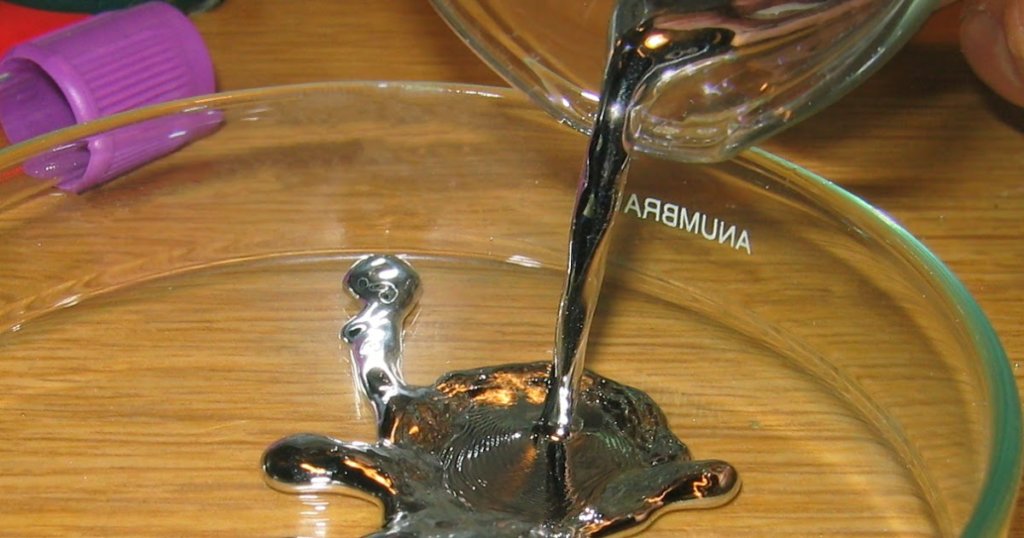
You may have heard numerous times throughout your life about leaking mercury or mercury exposure.  This is certainly still a concern.  Many household appliances contain mercury, ozone destroying oils and polychlorinated biphenyls, or PCB’s.  PCB’s are manmade chemicals that are resistant to extreme pressure and temperature.  They are mainly used in electrical components like capacitors and transformers.  In 1979 PCB’s were banned because they were found to be potent carcinogens (causes cancer) and highly toxic.
Whether it is oil in cooling circuits, mercury in switches and relays or PCB capacitors, these are all hazardous components and need to be disposed of in very specific ways.
Understandable, But WHAT SPECIFICALLY Can The Oils And Mercury Do To Me Or The Environment?
If disposed of properly, nothing, which is why it is so important.
If disposed of INCORRECTLY, the oils can cause skin, eye, and respiratory irritation and potentially lead to cancer and damage of your liver, brain, immune and reproductive systems.  These oils can also filter into the soil and contaminate groundwater, which you know gets picked up through evaporation or leaked into existing bodies of water and becomes EVERYTHING (our rain/snow, drinking water, bath water, water present in food, etc.).
Mercury accumulates in plants and animals and, when ingested by humans, causes severe issues with the nervous system and neurological development.  Inhaling mercury vapor can cause great harm to lungs, kidneys and the immune, nervous and digestive systems.  It can be fatal.


Hazardous Materials
How Do I Properly Dispose Of These Appliances?
There are several ways to responsibly recycle these hazardous materials.
Bounty Programs – The very first thing you should do is call your electric company.  Many times they offer a bounty program or similar incentive.  You are paid compensation (a bounty) to let the electric company send someone to come pick up your old appliance and recycle it properly.  Some offer incentives such as rebates or discounts to newer energy efficient models.  There may be qualifications like appliance age or working condition to be eligible so contact your energy provider for more details.
Appliance Retailers – Often times when you purchase a new appliance from a retailer they will offer to take your old one away for free.  If they don’t take it right then and there, some retailers have it set up where you can bring the old model to their store for recycling.
Township Programs – Many towns or villages may have their own appliance recycling program or are able to refer you to the nearest facility that does.  Some programs may require the refrigerant components to be removed prior to pickup or drop off.  In this instance, have a professional with EPA approved equipment remove these items to stay in accordance with refrigerant disposal laws.  HVAC companies or refrigeration companies are your best bet to find a person capable of proper removal.
**NEVER, EVER try and remove refrigerants yourself due to risk of great physical harm.**
Dumpster Rental Companies – Your local dumpster rental company is used to handling queries about proper waste disposal.  Many companies will dispose of these items correctly for you, charge you a small fee for proper disposal or can direct you to the program in your area that handles it.
Local Dump – Your local landfill or garbage dump will take the hazardous items from you for a fee.  The fee is determined by the weight of your appliance.  With this option you will have to transport the appliances to the dump yourself.  If you don’t have a vehicle capable of carrying the appliance or it is too hard to maneuver yourself, hire a couple of folks off of Craigslist, ask family or friends to help or book a junk removal service.
EPA List – If you still have no luck with properly recycling your hazardous appliances, here is a list of organizations that do so through the EPA’s Responsible Appliance Disposal (RAD) program.


Landfill Fridges
How Much Does It Cost To Recycle These Items?
For the most part it is FREE.  Your township programs usually provide free collection.  Energy companies are usually free as well because they are either paying you or offering incentives to collect it.  Retailers typically provide free pickup because you purchased a newer model from them but some may charge a small fee between $10 to $50 for the service.  When purchasing a new appliance, ask your retailer about their pickup program details.
Other organizations, companies or dumpster rental services might provide free pickup or charge a small fee as well.  You can research online or ask your village/town hall for referrals.  Be sure to only use professionals who use EPA-approved refrigerant removal equipment.
In Closing…
While it may be tempting to simply toss your old fridges, freezers or air conditioning units into a bin or dumpster, the repercussions of such an action can be fatal.  Between the harmful effects on the environment and the devastation it can wreak on the human body, these hazardous materials absolutely MUST be disposed of responsibly.  In most cases all it takes is one phone call from you and another individual or organization will do the heavy lifting and take the old appliance off of your hands.
In some counties, not disposing of hazardous materials responsibly is akin to illegal dumping and can result in hefty fines or even jail time.  Taking it to the curb and leaving it MAY result in scrappers taking it away but, if they don’t and it sits on your curb, you can be looking at waste violations and fines within your city.  At the end of the day it is just easier, better for the environment and better for your wallet if you you find a way to properly recycle your old appliances.
ALL THIS FRIDGE TALK MAKES ME THINK OF FRIDGE MAGNETS.
WHAT WAS ONE OF YOUR FAVORITE OR MOST WONKY FRIDGE MAGNETS?  LET ME KNOW IN THE COMMENTS BELOW!
Share:

Labels

Recent Posts